Documentation plays a vital role in ensuring product usability and customer satisfaction. It helps users understand features, troubleshoot issues, and fully leverage a product’s capabilities. For product teams, documentation supports internal communication, onboarding, and project continuity. Yet many teams struggle to maintain accurate and updated documentation due to rapid product changes, tight release cycles, and limited resources. AI-powered documentation addresses these challenges by automating content creation and updates.
The Limitations of Traditional Documentation
Traditional documentation processes are manual, slow, and vulnerable to inaccuracies. As product updates roll out, documentation becomes outdated quickly, causing confusion among users and internal teams. Version control issues often lead to outdated files being shared across departments. Manual translations and formatting add complexity. These challenges create inefficiencies, increase support requests, and slow down product adoption.
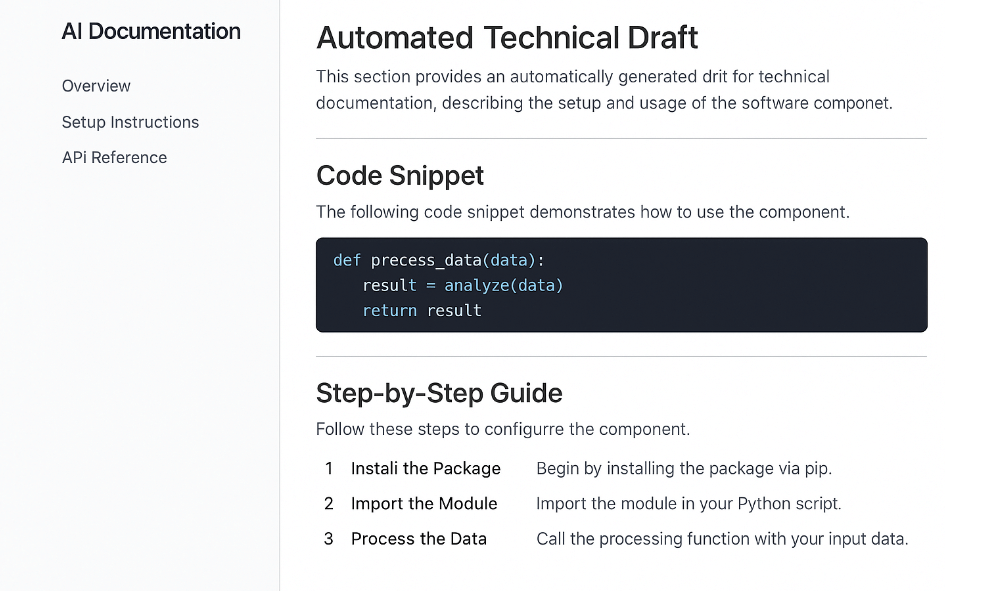
AI-powered documentation tools analyze product interfaces, system behavior, source code, and change logs to generate structured documentation automatically.
These systems create detailed technical guides, API references, feature descriptions, tutorials, and troubleshooting steps. By generating a strong first draft, AI frees product teams to focus on clarifying, validating, and refining content, improving quality without sacrificing speed.
One of the most impactful benefits of AI-powered documentation is real-time updates. When developers push code changes or release new features, AI instantly recognizes these updates and adjusts relevant sections of the documentation. This ensures accuracy and aligns documentation with the latest product version. Teams no longer fear inconsistent information across platforms or outdated user instructions.
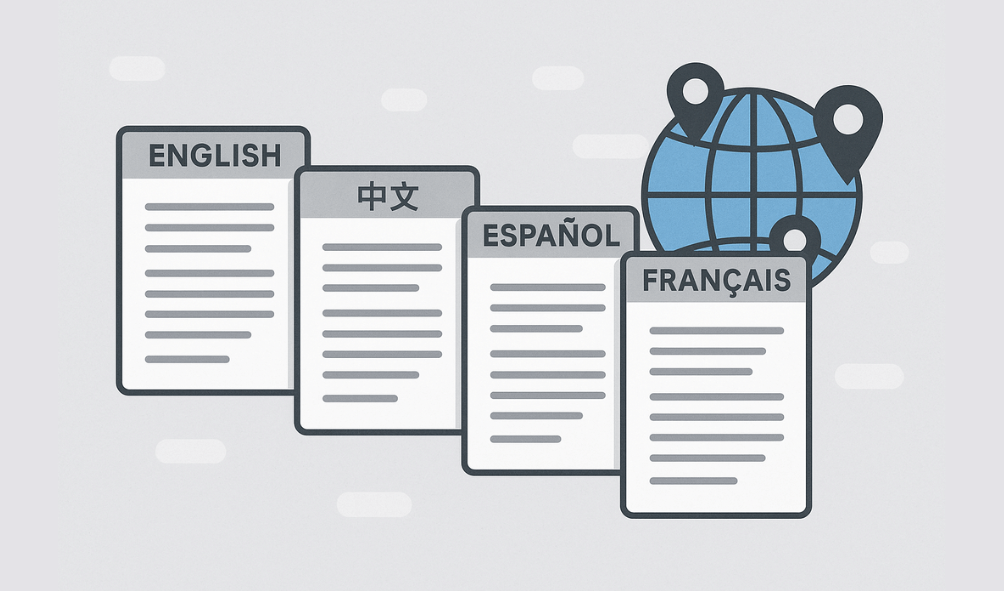
For businesses targeting international markets, multilingual content is crucial. AI dramatically simplifies this process by generating translated versions of documentation in multiple languages.
It preserves technical meaning, structure, and tone while reducing the cost and time required for manual translation. This empowers companies to scale globally with localized instructions that cater to diverse user groups.
Static documentation is often overwhelming, especially for non-technical users. AI enhances documentation by automatically producing interactive content such as step-by-step workflows, code snippets, flow diagrams, and troubleshooting decision trees. This makes learning easier and reduces dependency on support teams. User-friendly documentation improves product adoption and builds customer confidence.
AI-generated documentation serves as a centralized knowledge base for internal teams. New hires, developers, testers, and product managers can quickly access up-to-date information and understand technical frameworks without extensive onboarding sessions. This accelerates cross-functional collaboration and promotes knowledge continuity within the organization.
AI documents allow customer support teams to answer queries faster. Support agents can search documentation, and AI systems can highlight the most relevant sections or suggest content based on user queries. This improves response times, increases accuracy, and enhances customer satisfaction.
While AI accelerates documentation, human expertise is still essential. Tech writers and product experts review AI-generated drafts to ensure clarity, accuracy, tone consistency, and technical correctness. This hybrid approach blends automation with human insight to deliver high-quality documentation.
AI-powered documentation is quickly becoming a necessity for product teams. It automates manual tasks, reduces errors, accelerates content production, and supports global scalability. As AI continues to evolve, it will predict user needs, detect gaps, and generate documentation proactively. Early adopters will benefit from increased efficiency, improved user experience, and stronger product success.

Explore expert perspectives on AI, Cloud Services, Custom Application Development, Digital Marketing, HealthTech, FinTech, and Digital Transformation.